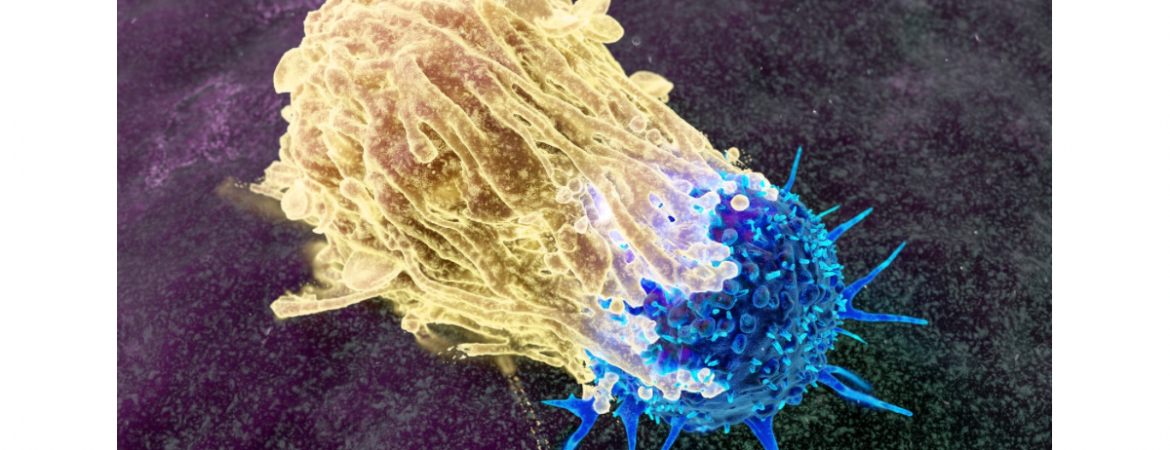
Ivermectin and FECO (Full Extract Cannabis Oil) have both attracted interest because laboratory studies suggest they may affect cancer cells in several ways. While research in humans is still ongoing, scientists have observed a number of potential anti-cancer mechanisms.
How Ivermectin May Affect Cancer Cells
Research suggests that ivermectin may:
- Block some of the signals that tell cancer cells to keep growing and multiplying.
- Trigger programmed cell death (apoptosis), causing cancer cells to self-destruct.
- Put cancer cells under stress, making them less able to survive.
- Interfere with how cancer cells produce and use energy.
- Help the immune system recognize and attack cancer cells more effectively.
- Target certain stubborn cancer cells that can survive treatment and contribute to cancer recurrence.
- Reduce the formation of blood vessels that supply tumours, potentially starving them of nutrients and oxygen.
- Enhance the effectiveness of chemotherapy and radiotherapy, particularly in some drug-resistant tumours.
How FECO May Affect Cancer Cells
FECO contains cannabinoids, including THC and CBD, which have demonstrated several potential anti-cancer effects in laboratory studies:
- Encouraging cancer cells to self-destruct through apoptosis.
- Slowing the growth and division of cancer cells.
- Reducing the formation of new blood vessels that tumours need for oxygen and nutrients.
- Limiting the ability of some cancer cells to spread to other parts of the body.
- Increasing stress within cancer cells, making them less able to survive.
How They May Work Together
Cancer cells often ignore the body’s natural “stop” and “self-destruct” signals, allowing them to continue growing unchecked.
Ivermectin may help disrupt the cellular pathways that cancer cells rely on for growth, survival, and energy production. At the same time, cannabinoids in FECO may help restore some of the body’s natural mechanisms that tell damaged or abnormal cells to stop growing and self-destruct.
Together, these compounds may:
- Slow cancer cell growth.
- Increase stress within cancer cells.
- Trigger cancer cell death.
- Reduce blood supply to tumours.
- Support the immune system’s ability to recognize abnormal cells.
- Potentially make cancer cells more vulnerable to conventional treatments.
In simple terms, Ivermectin may make it harder for cancer cells to survive, while FECO may help activate the body’s natural mechanisms for controlling and eliminating abnormal cells. Researchers continue to investigate whether these laboratory findings can translate into effective treatments for people with cancer.