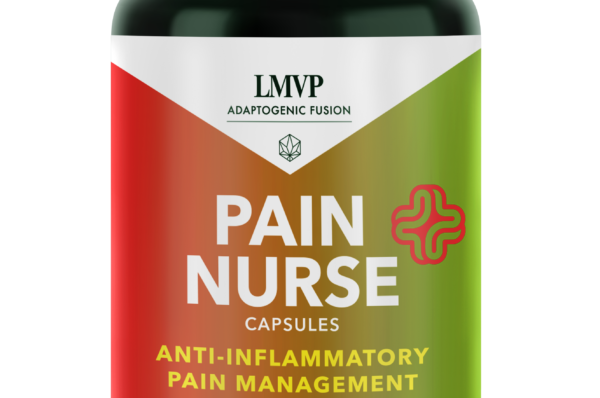
Collagen, Moringa, Spirulina, Turmeric and Cannabidiol may support healthier blood pressure through different mechanisms involving inflammation, blood vessel function, stress regulation, circulation, and nutrition. None of them should replace prescribed hypertension treatment, but some have emerging evidence as supportive therapies.
Collagen
Collagen may help blood pressure indirectly by supporting blood vessel elasticity. Arteries naturally stiffen with age, inflammation, and oxidative stress. Certain collagen peptides contain amino acids that may support:
- healthier connective tissue in blood vessel walls
- improved arterial flexibility
- nitric oxide production
- reduced vascular stiffness
Some studies on collagen peptides suggest modest improvements in circulation and arterial health, especially when combined with exercise and healthy diet.
Moringa
Moringa contains potassium, magnesium, antioxidants, chlorophyll, quercetin, and plant polyphenols that may support cardiovascular health. It may help by:
- reducing oxidative stress
- supporting blood vessel relaxation
- helping regulate blood sugar and inflammation
- providing natural diuretic effects that may reduce fluid retention
Quercetin found in moringa has been studied for its potential blood pressure-lowering effects because it may help relax blood vessels and reduce inflammation.
Spirulina
Spirulina has some of the strongest evidence among natural supplements for supporting blood pressure regulation. It contains:
- phycocyanin (a powerful antioxidant pigment)
- magnesium
- potassium
- amino acids
Phycocyanin may increase nitric oxide production, which helps relax blood vessels and improve circulation. Some clinical studies found spirulina supplementation modestly reduced systolic and diastolic blood pressure, particularly in people with metabolic syndrome or hypertension.
Spirulina may also help:
- reduce inflammation
- improve lipid profiles
- support endothelial function
- lower oxidative stress
Turmeric
The active compound in turmeric, curcumin, has potent anti-inflammatory and antioxidant effects. Chronic inflammation contributes to vascular stiffness and endothelial dysfunction. Curcumin may help:
- improve blood vessel flexibility
- support nitric oxide production
- reduce inflammatory cytokines
- decrease oxidative damage to arteries
Some studies suggest turmeric may modestly improve blood pressure over time, especially when inflammation is a major factor.
Curcumin absorption improves significantly when taken with black pepper extract (piperine) or healthy fats.
CBD
CBD may help regulate blood pressure mainly through nervous system and inflammation pathways:
- calming stress responses
- reducing anxiety-related blood pressure spikes
- improving sleep
- reducing pain-related stress
- supporting vascular relaxation
CBD may also help reduce cortisol and sympathetic nervous system overactivation, both of which can contribute to hypertension.
How they may work together
These compounds target different contributors to high blood pressure:
- inflammation → turmeric, CBD, spirulina, moringa
- oxidative stress → spirulina, turmeric, moringa
- vascular stiffness → collagen, turmeric
- nervous system stress → CBD
- mineral support → moringa, spirulina
- circulation and nitric oxide → spirulina, turmeric, collagen
This is why many integrative practitioners combine anti-inflammatory compounds, mineral-rich plants, and stress-regulating support when approaching cardiovascular wellness.
Important considerations
Natural supplements can still interact with medications. Combining multiple supplements with prescription blood pressure drugs may increase the risk of:
- blood pressure dropping too low
- dizziness
- dehydration
- blood thinning effects
Turmeric and CBD especially may interact with blood thinners or liver-metabolized medications.
Lifestyle factors remain foundational:
- lower sodium intake
- exercise
- weight management
- hydration
- stress reduction
- sleep quality
Supplements tend to work best when those areas are also addressed.