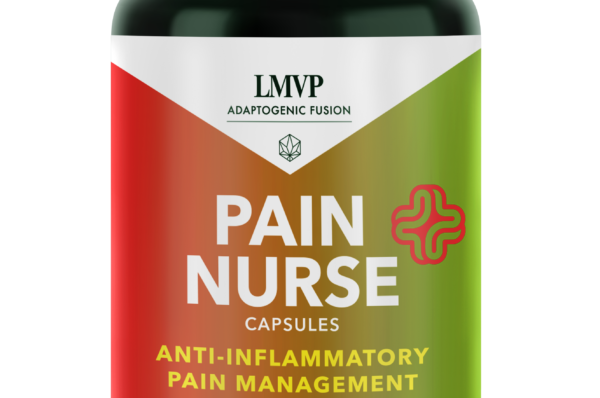
No, CBD is not addictive.
Unlike THC (tetrahydrocannabinol), which is the psychoactive compound in cannabis that can cause intoxication and dependence in some users, CBD (cannabidiol) is non-intoxicating and does not create the “high” feeling. This makes it non-reinforcing, meaning people do not develop a craving or compulsion to use it.
Multiple studies, including those conducted by the World Health Organization (WHO), have concluded that:
“CBD exhibits no effects indicative of any abuse or dependence potential in humans.”
In fact, CBD may actually help reduce addiction-related behaviors. Research has shown that it may support recovery from addiction to substances like nicotine, opioids, and alcohol by reducing cravings, anxiety, and withdrawal symptoms.
However, it’s still important to:
- Use high-quality, third-party tested CBD products, to avoid contamination with THC or other substances.
- Be aware of possible interactions with medications.
- Understand that while CBD is safe and non-addictive, using it in the wrong context or expecting instant results can lead to misuse or disappointment.
In summary, CBD itself is not addictive, and it may even be a helpful tool in supporting recovery from addiction.