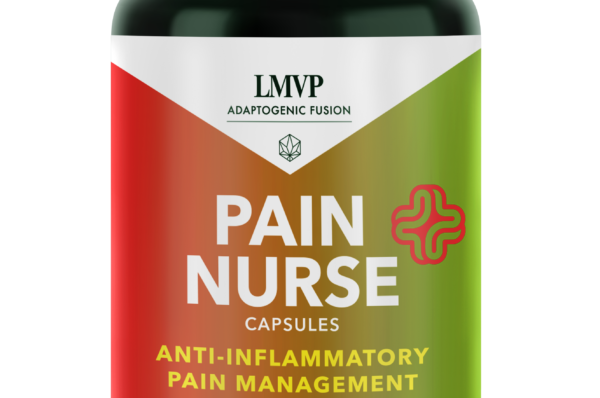
Why Combined Mushrooms Work Better for Inflammation:
- Synergistic Compounds
Different mushrooms contain unique anti-inflammatory compounds (like beta-glucans, triterpenoids, phenols). When combined, they may amplify each other’s effects — acting on multiple inflammatory pathways.
- Broader Spectrum of Benefits
Inflammation is linked to immune dysfunction, oxidative stress, and even gut health. A good blend can support all these areas at once, rather than targeting only one.
- Lower Risk of Tolerance
Your body is less likely to adapt and reduce the effect of the supplement when it’s dealing with a diverse range of actives.
- Multiple Target Pathways
- Reishi: modulates the immune response, suppresses histamine and cytokines like IL-6
- Chaga: high antioxidant value, reduces oxidative stress-driven inflammation
- Lion’s Mane: reduces neuroinflammation
- Cordyceps: supports mitochondrial function and reduces muscle-related inflammation
- Turkey Tail: supports the gut microbiome, which in turn controls systemic inflammation
🔍 When a Single Mushroom Might Be Better:
If you’re targeting a very specific condition, such as:
- Neuroinflammation → Go for Lion’s Mane
- Autoimmune modulation → Reishi
- Skin & gut-related inflammation → Chaga
Then a single, high-dose extract might be more potent.
✅ Best Overall Combo for Inflammation:
A blend that includes:
- Reishi (immune & inflammation regulation)
- Chaga (oxidative stress reduction)
- Cordyceps (energy & muscle recovery)
- Lion’s Mane (nerve & brain inflammation)
- Optional: Turkey Tail (gut support)
Summary:
👉 For general inflammation, go for a well-made combination formula.
👉 For targeted support, consider a single mushroom at therapeutic dose.
Both can be powerful — the right choice depends on your specific health goals.