Skin cancer refers to the abnormal growth of skin cells that can develop into tumors. There are different types of skin cancer, with the most common being basal cell carcinoma, squamous cell carcinoma, and melanoma. Skin cancer is primarily caused by exposure to ultraviolet (UV) radiation from sunlight or tanning beds, which damages the DNA in skin cells, leading to mutations that cause them to grow uncontrollably.
CBD (cannabidiol), a compound derived from the cannabis plant, has been investigated for its potential therapeutic effects in managing skin cancer. Here’s how CBD may help:
- Anti-Proliferative Effects: CBD has been shown in some studies to inhibit the proliferation (growth and spread) of cancer cells. This includes skin cancer cells, where CBD may help prevent them from dividing and spreading further.
- Induction of Apoptosis: CBD has been found to induce apoptosis, or programmed cell death, in cancer cells. This is a natural process that helps eliminate damaged or abnormal cells, including cancerous ones.
- Anti-Inflammatory Properties: Chronic inflammation is linked to the development and progression of cancer. CBD has potent anti-inflammatory properties, which may help reduce inflammation in the skin and potentially inhibit the growth of cancer cells.
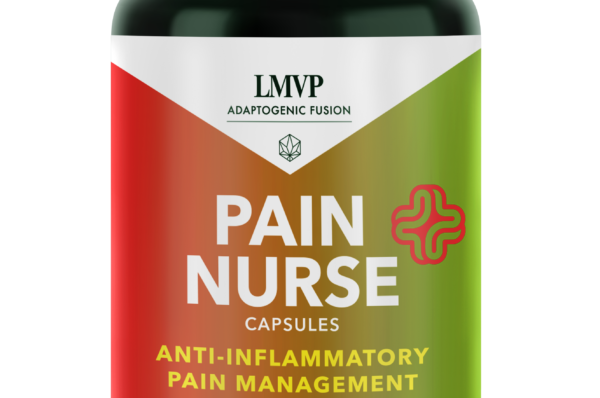
- Pain Relief: For individuals undergoing treatments like surgery or chemotherapy for skin cancer, CBD’s analgesic properties may provide relief from pain and discomfort.
- Reduction of Sebum Production: In skin cancers where excessive sebum (oil) production plays a role, such as some types of non-melanoma skin cancers, CBD’s ability to reduce sebum production could potentially be beneficial.
It’s important to note that while there is promising preclinical evidence suggesting CBD’s potential benefits in managing skin cancer, most studies have been conducted in cell cultures or animal models.